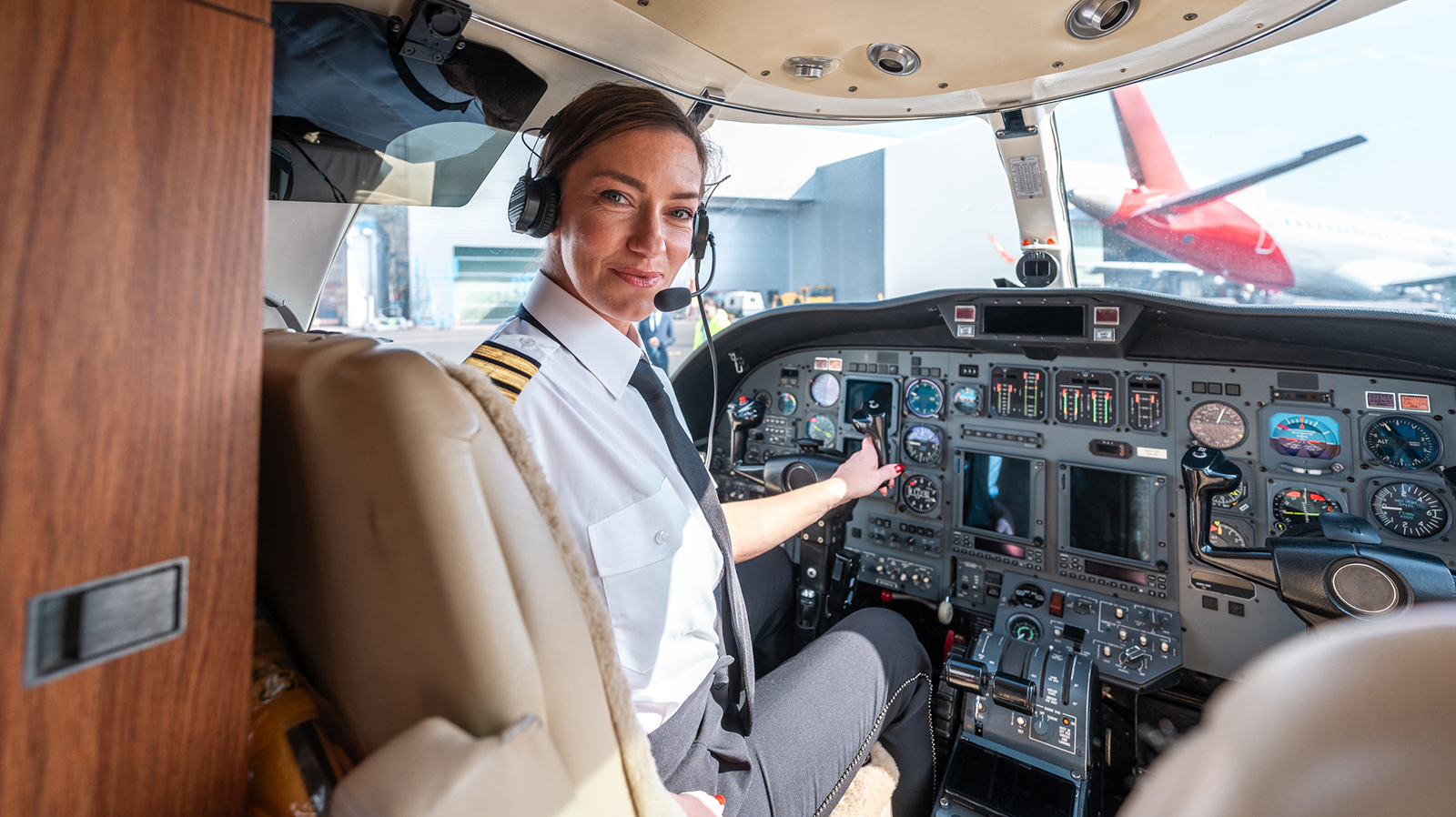
परिचय — Pilot का काम क्या है?

पायलट विमान उड़ाने, flight systems monitor करने, safety procedures लागू करने और passengers / cargo को सुरक्षित गंतव्य तक पहुँचाने के लिये जिम्मेदार होते हैं। एयरलाइन पायलट के अलावा private pilots, cargo pilots और charter pilots भी होते हैं।

नोट: Pilot career उच्च प्रशिक्षण, licensing और strict medical फिटनेस मांगता है। यह reward भी high देता है — travel, salary और professional status दोनों।

क्यों Pilot बनें? (Opportunities & Rewards)

Adventurous Career

Travel the world, operate advanced machines, and experience varied work environments.

High Responsibility & Respect

Safety-critical role — public trust और professional respect मिलता है।

Good Earning Potential

Experience और type rating के साथ earning significantly बढ़ती है — especially in international airlines.

Diverse Roles

Commercial airlines, cargo, charter, flight instructor, aerial survey, agricultural aviation, and test pilot roles.

शैक्षिक और लाइसेंसिंग मार्ग (PPL → CPL → ATPL)

आम तौर पर pilot बनने का चरणबद्ध मार्ग (India/International में सामान्य):

  1. PPL — Private Pilot License: शुरुआत में recreational/private flying के लिये। सामान्यतः 40–60 घंटे का flying requirement होता है (country variation)।
  2. CPL — Commercial Pilot License: Professional flying के लिये। इसमें ground theory, flight training और minimum flight hours (approx 200 hours total या integrated courses में कम) शामिल होते हैं।
  3. Type Rating / ATPL: Airline Transport Pilot License (frozen ATPL for integrated/ground exams) और बाद में ATPL unfrozen बनने के लिये required flight experience (approx 1500 hrs for full ATPL in many jurisdictions)।
  4. Integrated vs Modular Training: Integrated course (college-like, faster, structured) or Modular (step-by-step: PPL → Hour building → CPL → ME/IR).

Quick Terms

  • IR: Instrument Rating — flying by instruments (critical for airlines).
  • ME: Multi-Engine Rating — required for larger aircraft.
  • Type Rating: Specific aircraft certification (e.g., A320, B737).
  • Frozen ATPL: When ground exams passed but flight hours still pending for full ATPL.

Medical & Fitness Requirements

पायलटों के लिये strict medical standards होते हैं — Class 1 medical certificate (for commercial pilots) सबसे आम। इसमें vision, hearing, cardiovascular health, neurological assessment और psychological fitness शामिल हैं।

  • Vision: Correctable vision allowed पर color vision और visual acuity tests पास होना चाहिए।
  • Hearing: Communication के लिये hearing standards आवश्यक हैं।
  • General health: Hypertension, diabetes, cardiac issues आदि का evaluation होता है।

किसी भी medical condition के मामले में early assessment कर लें — कुछ conditions manageable होते हैं और waiver procedures भी होते हैं।

Core Skills & Personality Traits

Situational Awareness

Aircraft, weather और ATC environment की continuous awareness रखना।

Decision Making

High-pressure में quick और safe decisions लेना।

Communication

ATC और crew के साथ clear, calm और concise communication।

Teamwork

Crew Resource Management (CRM) की समझ और coordination।

Technical Knowledge

Aircraft systems, aerodynamics, navigation और performance calculations।

Stress Management

Fatigue handling, rest management और resilience।

Training Facilities & Simulator Exposure

अच्छे flight schools में real aircraft training के साथ simulator exposure भी मिलता है — especially for instrument training और emergency procedures। Simulator training cost-effective और safety-focused तरीका है complex scenarios practice करने का।

  • FNPT / Level D simulators (high-fidelity) airline-type training में उपयोग होते हैं।
  • Basic flight training: single-engine trainers (Cessna 172, etc.).
  • Instrument and multi-engine training integrated programs में जरूरी होते हैं।

Simulator log hours कुछ jurisdictions में credit मिलते हैं; साथ ही simulator training अनुभव critical emergency handling capability बढ़ाते हैं।

Cost Estimates & Funding Options

Flight training महंगा होता है। यह approximate breakdown है (country और school पर निर्भर करेगा):

ItemApprox Cost (Indicative)
PPL Course₹3-7 lakh
CPL Course (Modular/Integrated)₹20-60 lakh
IR / ME Ratings₹5-15 lakh
Type Rating₹15-40 lakh (per aircraft type)
Living & Misc (3–4 years)₹5-15 lakh

Funding: scholarships, bank education loans, airline cadet programs, sponsorships, or part-time hour-building jobs (where allowed).

Starter Roadmap — पहले 12 महीने

MonthsFocusOutcome
Months 0–2Select flight school, Class 1 medical, ground school basicsMedical cleared, enrollment confirmed
Months 3–6PPL flying hours + basic navigation & solo flightsPPL complete (approx 40–60 hrs)
Months 7–9Hour building, night flying (if required), basic instrument exposureComfortable with cross-country flights
Months 10–12Begin CPL modules / integrated ground theory, start instrument trainingCPL theory in progress, flight hours accumulating

यह एक indicative plan है; कुछ integrated courses में यह timeline तेज़ होता है जबकि modular path lengthier होता है।

Airline Entry Options

Commercial airlines typically hire via following routes:

  • Cadet / Sponsored Programs: Airlines sponsor students through training in exchange for service bonds.
  • Direct Hire (Experienced): After accumulating required hours & ME/IR/type ratings, apply as First Officer.
  • Simulator Assessment & Interview: Technical interview, psychometric tests and simulator evaluation are common in hiring.
  • Cargo & Charter Airlines: Sometimes hire pilots with lower hours compared to major carriers.

Networking with instructors, maintaining a clean logbook and strong technical knowledge improve chances.

Quick FAQs

Q1: किस उम्र में Pilot training शुरू की जा सकती है?

बहुत से schools में minimum age 16–17 (for PPL) और 18+ for CPL eligibility (country rules अलग हो सकती हैं)।

Q2: क्या color blindness reject कर देता है?

Color vision tests जरूरी हैं; कुछ mild deficiencies में waiver सम्भव है पर many jurisdictions strict होते हैं।

Q3: क्या मैंने पहले skydiving किया है तो advantage है?

Recreational experience show करता है की आप airborne environment में आरामदायक हैं — पर formal training और licenses ज़रूरी हैं।

Simulator Training & Type-Rating

Simulator training हवाई जहाज़ के जोखिम भरे परिदृश्यों को सुरक्षित रूप से अभ्यास करने का सबसे असरदार तरीका है। छोटे trainers से लेकर high-fidelity Level D simulators तक अलग-अलग स्तर होते हैं। Type-rating वह official course है जो आपको specific aircraft (जैसे A320, B737) उड़ाने के लिए परमिट देता है।

Simulator Levels और महत्व

Type-Rating का ढांचा

  1. Theory Modules: Aircraft systems, limitations, performance tables और emergency procedures
  2. Simulator Sessions: Normal flight flows, non-normal procedures, engine failures, rejected takeoffs, approach with failures
  3. Line Training: Supervised line flights (under training captain) to gain real world experience
  4. Checkride / Skill Test: Examiner के सामने simulator/aircraft performance demonstration

Type-rating expensive होता है — airlines often sponsor experienced pilots or offer subsidised programmes for cadets after hiring.

Airline Hiring — Assessment Process

Airlines चयन प्रक्रिया में कई चरण रखते हैं: online application → psychometric tests → technical interview → simulator assessment → HR interview → medical & contract। नीचे हर चरण का विवरण है।

1. Online Screening

CV और logbook जांचे जाते हैं; minimum requirements (hours, license, ratings) यहाँ filter करते हैं।

2. Psychometric Tests

Personality profiling, situational judgement tests और numerical/reasoning tests होते हैं। यह परीक्षण यह देखने के लिए होते हैं कि आप CRM, stress handling और decision making के लिए फिट हैं या नहीं।

3. Technical Interview

Aircraft systems, aerodynamics, performance calculations, METAR/TAF reading और air law से सम्बन्धित सवाल पूछे जाते हैं। Short scenarios (e.g., engine failure after takeoff) पर आपसे step-by-step response मांगा जा सकता है।

4. Simulator Assessment / SIM Check

Simulator में आपसे normal flows, unstable approach handling, go-around procedures और emergency drills कराये जाते हैं। कुछ airlines psychometric + sim दोनों को combined weight देती हैं।

5. HR & Behavioural Interview

Work culture fit, relocation willingness, language fluency और salary expectations पर बातचीत।

6. Medical & Contract

Class 1 medical final confirmation और service agreement (bond, notice period, relocation clauses)।

Preparation tip: past exam pattern देखें, mock psychometric tests दें, और sim-based scenario practice करें।

Psychometric, CRM & Behavioural Preparation

Crew Resource Management (CRM) और psychometric tests को समझना hiring के लिए crucial है। Airlines यह देखना चाहती हैं कि आप team में कैसे perform करते हैं, leadership कहां दिखाते हैं और stress में क्या व्यवहार करते हैं।

CRM Key Topics

Behavioural Interview Prep Tips

Pre-flight & Emergency SOPs (Practical Snippets)

नीचे कुछ condensed SOPs दिए गए हैं — इन्हें आप simulation और ground briefings में इस्तेमाल कर सकते हैं।

Pre-Flight Walkaround

  1. Exterior inspection — control surfaces, tires, fuel caps, static ports
  2. Check fuel quality (sump), quantity और fuel selectors
  3. Control surface freedom & hinges check
  4. Flight control lock removal और cockpit securement

Before Start Checklist

  • Brakes set, seats & belts
  • Instruments set & avionics configured
  • ATIS/Weather check, NOTAMS review
  • Engine start procedure और emergency brief

Rejected Takeoff

  1. Throttles idle
  2. Brakes maximum
  3. Maintain directional control
  4. Evacuation decision (if required)

Engine Failure After Takeoff

  1. Airspeed maintain (Vy/Vx as applicable)
  2. Landing gear up (if retractable)
  3. Checklist memory items — Mix/Throttle/Prop/Boost pump as required
  4. Declare emergency to ATC and plan forced landing if necessary

SOPs airline या aircraft specific होते हैं — हमेशा operators के SOP manual का पालन करें।

Logbook Snippets & Record Keeping

Clear logbook और endorsed entries आपकी credibility दिखाते हैं। नीचे starter entries और template हैं।

Sample Logbook Entry (Snippet)

Date: 2025-08-12
Aircraft: C172   Reg: VT-ABC
PIC: Student Pilot – R. Verma
Route: ABC → XYZ
Flight Time: Dual 1.5 hrs  / Solo 0.7 hrs
Exercises: Stall recovery, forced landing drill, navigation – heading & time checks
Instructor: Capt. S. Rao (Signature)
  

Electronic Logbook Tips

Deep FAQs — अक्सर पूछे जाने वाले विस्तृत प्रश्न

Q1: Integrated vs Modular training — किसे चुनें?

Integrated: Faster path, classroom + flying bundled; अच्छे students के लिए suited (cost overall high but structured). Modular: Stepwise approach — flexibility, can fund gradually, पर timeline लंबा होता है।

Q2: कितने flight hours चाहिए ATPL के लिए?

भविष्य के पूर्ण ATPL के लिए आमतौर पर ~1500 hours की जरूरत होती है (ICAO standard varies per country)। कई airlines frozen ATPL के साथ graduate pilots hire करते हैं।

Q3: क्या simulator hours count होती हैं?

कुछ jurisdictions में simulator hours का partial credit मिलता है, पर ATPL minimum real flight hours requirement पर ध्यान देना चाहिए।

Q4: क्या color blindness automatic disqualification है?

Strictness jurisdiction पर निर्भर करती है; कुछ mild deficiencies में waivers मिल सकते हैं पर major colour defects safety critical होते हैं और reject कर देते हैं।

Q5: How to finance training?

Options: bank education loans, airline cadet sponsorship, scholarships, family funding, and part-time/hour-building jobs (depends on local regulations)।

Q6: क्या airlines resume hiring after industry downturns?

Airlines hiring cyclical होती हैं — economic cycles, fuel prices, और global travel demand प्रभावित करते हैं। Continuous training और networking से आप तैयार रहेंगे जब hiring वापस आएगा।

Resources — Books, Websites & Training Bodies

Always verify school accreditation and read student reviews before enrollment.

Part 2 — सारांश और आगे क्या मिलेगा

इस भाग में हमने simulator & type-rating, airline hiring流程, psychometric/CRM prep, SOPs, logbook templates, deep FAQs और resources दिए। अब Part 3 में मैं दे रहा हूँ: विस्तृत SOP packs (pre-flight checklists, MEL examples), कई realistic assessment scenarios, long interviews Q&A, legal & regulatory notes, और एक extended conclusion — ताकि आपका pilot.html page पूरी तरह production-ready और SEO-heavy हो।

बताइए क्या मैं Part 3 अभी भेज दूँ? — Part 3 में मैं detailed checklists और बहुत लंबा closing/FAQs रखूँगा।

Detailed SOP Packs — Pre-flight, In-flight & Post-flight

नीचे airline/GA (general aviation) contexts के लिए condensed पर complete SOP-style packs दिए जा रहे हैं — इन्हें operator-specific manuals से मिलाकर customize करें।

Pre-flight SOP (Detailed)

  1. Flight Release & Documentation
    • Confirm flight release authority/signature and load sheet.
    • Verify NOTAMS, latest weather (METAR/TAF), and ATC slot times.
    • Confirm weight & balance calculations and fuel required (alternate fuel included).
  2. Aircraft Walkaround
    • Check external surfaces: control surface condition, hinges, static ports.
    • Inspect landing gear, tires, brakes, struts for leaks or damage.
    • Fuel caps secure; check fuel sump for contamination and correct grade.
    • Check pitot/static drains and probe covers removed.
  3. Cockpit Preparation
    • Power on sequence: battery, avionics master, electrical checks.
    • Set and test radios, transponder, GPS & navigation aids.
    • Set takeoff performance figures, V-speeds, trim setting, and checklist flows.
  4. Briefing
    • Normal takeoff brief: brief calls, abort criteria, noise abatement if any.
    • Emergency brief: engine failure after takeoff, forced landing options, evacuation plan.
    • CRM brief: roles, sterile cockpit limits, diversion decision authority.

In-flight SOP (Routine & Non-normal)

  1. Climb & Cruise Routine Checks
    • Climb power set, airspeed targets, engine instruments in green.
    • Cruise power/fuel management, periodic fuel checks and position reports.
  2. Unstable Approach / Go-Around
    • If unstable below 1000 ft AGL or non-stabilized by stabilized criteria, execute go-around.
    • Apply max thrust, pitch for positive climb, retract speedbrakes, maintain runway heading unless instructed.
  3. Dealing with System Failures
    • Memory items first (Aviate → Navigate → Communicate).
    • Use QRH / checklist after initial memory actions.
    • Declare PAN/PAN PAN or MAYDAY to ATC as required, squawk 7700 if emergency.
  4. Crew Resource Management
    • Effective callouts, challenge-response on checklists, and assertive communication for safety-critical inputs.

Post-flight SOP (Shutdown & Securing)

  1. Shutdown checklist: fuel pumps off, electrical isolation, secure control locks.
  2. Post-flight inspection: fluid leaks, tire condition, defects logged in technical log.
  3. Debrief: quick tech log update, passenger feedback, fuel reconciliation, paperwork submission.

Operators often maintain MEL (Minimum Equipment List) and CDL (Configuration Deviation List) — always consult operator MEL for dispatchability.

Realistic Assessment Scenarios — Practice for SIM Checks & Interviews

नीचे वास्तविक 시험/assessment जैसे scenarios दिए गए हैं — इन्हें simulation में practice करें और STAR method से अपने responses तैयार रखें।

Scenario 1 — Engine Failure After Takeoff

Engine loss at V1+50ft on runway heading. Actions: pitch for best climb speed, identify failed engine (if multi-engine), feather prop (if applicable), declare emergency, return or divert as required. Focus on correct memory items, single-engine performance and CRM.

Scenario 2 — Rapid Depressurization at Cruise

Cabin altitude above 14000ft with oxygen masks dropping. Actions: Don oxygen, initiate emergency descent to safe altitude, inform ATC, prepare for diversion and landing checks.

Scenario 3 — Unreliable Airspeed During Approach

Airspeed indications disagree due to pitot blockage. Actions: Maintain pitch/power based on known pitch/power settings, follow unreliable airspeed checklist, use standby instruments and declare abnormal to ATC.

Scenario 4 — Fire in Cargo Compartment

Smoke indications in cargo bay. Actions: Don oxygen if required, isolate cargo ventilation, follow fire checklist, prepare for emergency landing, consider depressurization and evacuation procedures.

Assessors evaluate technical knowledge के साथ-साथ decision logic, communication, and prioritization. हमेशा calm, structured और evidence-based response दें।

Extended Checklist Library — Printable Snippets

छोटे, प्रैक्टिकल और printable checklists — training लैब या briefing room में उपयोगी।

Takeoff Brief Template

Runway: ____________  QNH: ______
Flaps: _____  V1: _____  Vr: _____  V2: _____
Aborted takeoff criteria: __________________
Engine failure action: ____________________
Return plan: _____________________________
  

Emergency Landing Prep

Time remaining to touchdown: ______
Flaps: ______  Landing speed: ______
Cabin secured: [ ]  Evacuation plan briefed: [ ]
Fire services contacted: [ ]
  

इन snippets को आप अपने operator checklist के साथ align करके laminated copies बनवा सकते हैं।

Interview Q&A — लंबा सेट (Technical + HR)

Technical Questions

Sample Answers — Structure Hints

For technical answers, follow structure: Definition → Applicable formulas/principles → Example calculation → Safety considerations. For HR answers, use STAR method.

Behavioural / HR Questions

Mock interviews with instructors and sim-graded feedback are invaluable. Record yourself answering to improve clarity and brevity.

Long Case Study — Post-Mortem Learning (Sample)

Incident Summary

Flight XY123, A320, enroute at FL350, one engine had surge indications following severe turbulence; crew followed ECAM, declared PAN and diverted to nearest suitable aerodrome. Quick CRM, adherence to QRH and fuel calculations allowed safe diversion and landing with no injuries.

Key Learning Points

  1. Early recognition of non-normal engine trends is critical — act on indications, not assumptions.
  2. CRM: clear role assignment, effective communication with ATC and cabin crew reduced distractions.
  3. Fuel & diversion planning: conservative fuel planning and alternate selection helped safe diversion.
  4. Post-incident reporting: thorough technical log, flight data upload and voluntary safety report aided root cause analysis.

Case studies like ये real-life lessons provide patterns practitioners should remember rather than memorize checklists verbatim.

Extended Conclusion & Next Steps (SEO Friendly)

Pilot career एक high-skill, high-responsibility और high-reward path है। यह मार्ग discipline, continuous training और compliance मांगता है। इस पूरे पेज में हमने step-by-step roadmap, medical और licensing requirements, cost estimates, simulator & type-rating details, SOP packs, assessment scenarios, logbook templates और deep FAQs दिए — ताकि एक aspirant के पास एक integrated resource रहे।

Immediate Next Steps (Checklist)

  1. Book Class 1 medical and clear early — यह आपकी eligibility confirm करता है।
  2. Research accredited flight schools और उनसे student testimonials लें।
  3. Plan funding (loan/cadet/scholarship) और timeline बनाएं — modular vs integrated decision लें।
  4. Start ground theory study early — ATPL theoretical subjects से परिचित हों।
  5. Practice psychometric tests और CRM scenarios with peers or instructors.

Long Term Mindset

Aircraft systems और flying techniques एक dynamic field हैं — regulations evolve, new tech (glass cockpits, FBW systems, automation) आते रहते हैं। सबसे अच्छी निवेश आपकी flight discipline, logbook clarity और continuous learning है। Flight safety culture में contribution देकर आप बेहतर career longevity प्राप्त कर सकेंगे।

अगर आप चाहते हैं तो मैं इस पूरे pilot.html का combined single-file version भी बना दूँ (Part1+Part2+Part3 merged, minified CSS link reference adjusted) ताकि आप सीधे deploy कर सकें।

Part 3 — समाप्ति

यह Part 3 finalizes the pilot.html resource — आप अब Part1 + Part2 + Part3 एक ही फाइल में जोड़कर एक लंबा, detailed और SEO-optimized pilot category page बना लेंगे। अगर आप चाहें तो मैं: (A) full combined file भेज दूँ; (B) CSS को main stylesheet (style.css) में merge करने के लिये optimized CSS दे दूँ; या (C) हर Part के लिए printable PDFs/templates भी जनरेट कर दूँ। बताइए आपने क्या लेना है—मैं अभी वही output दे दूँगा।